
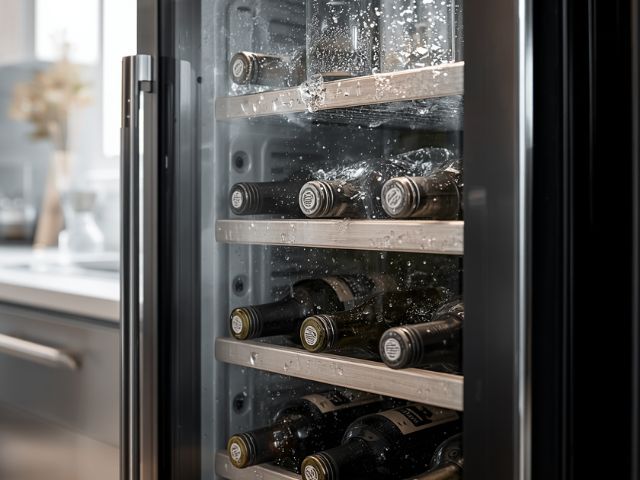
Summer brings longer days, warmer temperatures, and more opportunities to enjoy a perfectly chilled glass of wine. However, rising heat and humidity can place extra strain on your wine cooler, affecting its ability to maintain consistent temperatures and protect your collection. Whether you own a compact countertop unit or a built-in premium model, proper summer care plays a critical role in preserving wine quality and extending the life of your appliance.
Understanding how seasonal conditions affect Wine Cooler Repair and taking preventive maintenance steps can help you avoid unexpected repairs, protect your investment, and ensure every bottle is stored at ideal conditions.
How Summer Heat Affects Wine Cooler Performance
Wine coolers are designed to maintain a stable internal temperature—typically between 45°F and 65°F. During summer, the surrounding environment becomes significantly warmer, forcing the cooling system to work harder to maintain these settings. This increased workload can accelerate wear and tear on components like compressors, fans, and thermostats.
Higher humidity levels also contribute to moisture buildup, which can lead to mold, condensation, and corrosion inside the unit. When these conditions persist without maintenance, the cooler’s efficiency declines, potentially causing temperature fluctuations that can compromise wine flavor, aroma, and aging potential.
Signs Your Wine Cooler Needs Immediate Attention
Summer often exposes hidden issues that may not be noticeable during cooler months. Identifying warning signs early can prevent small problems from turning into major repairs.
Common indicators include:
- Inconsistent or fluctuating temperatures
- Excessive vibration or unusual noises
- Water pooling or excessive condensation inside the unit
- Frost buildup on the evaporator coils
- The compressor running constantly without achieving set temperatures
If these issues persist, professional servicing from Sub-Zero Appliance Repair can help diagnose and resolve underlying problems before they affect your wine collection.
Proper Placement to Prevent Overheating
The location of your wine cooler plays a major role in how efficiently it operates during hot weather. Units placed near ovens, direct sunlight, or poorly ventilated spaces are more likely to overheat and struggle to maintain proper temperatures.
To improve performance:
- Position the cooler away from heat-generating appliances
- Ensure adequate clearance around ventilation areas
- Avoid installing the unit in enclosed cabinets unless it is specifically designed as a built-in model
- Keep it out of direct sunlight or areas exposed to outdoor heat
A well-placed wine cooler not only maintains stable temperatures but also reduces energy consumption and mechanical stress.
Cleaning the Condenser Coils for Optimal Airflow
Condenser coils are responsible for releasing heat extracted from inside the wine cooler. Over time, dust, pet hair, and debris accumulate on these coils, reducing airflow and forcing the cooling system to work harder.
Summer is an ideal time to clean the coils, as they tend to accumulate more dust due to increased indoor air circulation. To clean them safely:
- Turn off and unplug the unit.
- Use a soft brush or vacuum attachment to remove debris.
- Avoid bending or damaging the delicate coil fins.
Keeping the condenser coils clean improves cooling efficiency, reduces energy use, and helps prevent overheating during the hottest months of the year.
Maintaining Proper Air Circulation Inside the Cooler
Overloading your wine cooler or stacking bottles too tightly can restrict airflow, leading to uneven cooling and temperature fluctuations. This is especially problematic in summer, when the cooling system is already under stress.
Ensure proper air circulation by:
- Avoiding overcrowding
- Leaving small gaps between bottles
- Keeping ventilation fans unobstructed
- Organizing bottles according to the rack design
A well-organized interior allows cool air to circulate freely, ensuring that every bottle is stored at a consistent temperature.
Inspecting Door Seals to Prevent Cool Air Loss
Door gaskets play a critical role in maintaining internal temperature by preventing cool air from escaping. During summer, even small gaps in the seal can lead to significant energy loss and overworked cooling components.
Check the gasket by closing the door on a thin piece of paper. If the paper slides out easily, the seal may be worn or loose. Cleaning the gasket with mild soap and water can restore flexibility, but cracked or hardened seals should be replaced promptly to prevent efficiency loss.
Managing Humidity to Protect Wine and Components
Wine coolers are designed to maintain moderate humidity levels, but summer conditions can push moisture beyond optimal ranges. Excess humidity can cause mold growth, label damage, and condensation that may affect electronic components.
To manage humidity:
- Avoid frequent door openings
- Wipe away visible condensation promptly
- Use a small humidity absorber if moisture levels become excessive
- Ensure the unit’s ventilation system is functioning correctly
Balanced humidity not only preserves wine labels and cork integrity but also prevents long-term internal damage to the appliance.
Routine Temperature Monitoring for Wine Preservation
A sudden temperature spike can ruin wine within days, especially for delicate varieties. Even if your cooler has a digital display, using an independent thermometer provides an extra layer of protection.
Monitor temperatures regularly to ensure:
- The unit reaches the set temperature efficiently
- There are no unexpected fluctuations during peak daytime heat
- Dual-zone coolers maintain distinct temperatures in each compartment
Keeping a log of temperature changes can help detect developing issues early and provide useful information for technicians if repairs become necessary.
Scheduling Preventive Maintenance Before Peak Summer Use
Preventive servicing ensures that all components—from the compressor to the thermostat—are functioning correctly before the hottest months place maximum strain on the system. A professional inspection can identify refrigerant leaks, failing fans, electrical issues, or worn seals before they cause a complete breakdown.
Regular maintenance visits reduce repair costs over time and extend the lifespan of the wine cooler. They also provide peace of mind, especially for collectors storing rare or high-value bottles.
For a deeper understanding of how appliance issues develop and how long repairs typically take, explore this related resource:
Sub-Zero Appliance Problems: Repair Timeline Breakdown
Understanding When Repairs Are More Cost-Effective Than Replacement
Wine coolers are long-term investments, and most performance issues can be resolved with timely repairs. However, certain situations may justify replacing the unit, such as:
- Repeated compressor failure
- Persistent refrigerant leaks
- Electrical system malfunctions
- Repair costs exceeding half the price of a new unit
Consulting with a qualified technician helps determine whether a repair will restore optimal performance or if replacement is the more practical option.
Energy Efficiency Tips to Reduce Summer Power Consumption
As wine coolers work harder during summer, energy usage tends to increase. Fortunately, a few practical steps can keep electricity costs under control without compromising performance.
Consider the following:
- Set the temperature to the recommended range instead of excessively low settings
- Avoid placing warm bottles directly inside the cooler
- Keep the door closed as much as possible
- Ensure the cooler is level to prevent compressor strain
These small adjustments can significantly improve efficiency and reduce wear on internal components.
Protecting Your Wine Collection During Power Outages
Summer storms and grid overloads can lead to unexpected power interruptions, which pose a risk to wine storage. While short outages are generally harmless, extended periods without cooling can raise internal temperatures to damaging levels.
To protect your collection:
- Keep the door closed during outages to retain cold air
- Use a backup power source if you store high-value wines
- Monitor temperatures closely once power is restored
Taking these precautions ensures your wine remains safe even during unforeseen disruptions.
Long-Term Benefits of Consistent Wine Cooler Maintenance
Routine summer maintenance doesn’t just prevent immediate issues—it also contributes to long-term reliability and performance. A well-maintained wine cooler:
- Maintains stable aging conditions for wine
- Experiences fewer mechanical failures
- Consumes less energy over time
- Retains higher resale value
Investing time in seasonal care helps preserve both your appliance and your wine collection, ensuring that every bottle is ready to enjoy at its peak.
Frequently Asked Questions About Summer Wine Cooler Care
How often should a wine cooler be serviced?
Most manufacturers recommend professional maintenance once a year, ideally before summer begins.
Is it normal for a wine cooler to run more often in hot weather?
Yes, the compressor cycles more frequently in warm environments, but constant running may indicate airflow or refrigerant issues.
Can a wine cooler be placed in a garage during summer?
Only if the garage is climate-controlled. Extreme heat can exceed the cooler’s operating range and damage internal components.
What temperature is ideal for long-term wine storage?
A consistent temperature of around 55°F is widely considered optimal for preserving wine quality.
Do dual-zone coolers require additional maintenance?
They follow the same maintenance principles as single-zone models but require closer temperature monitoring to ensure both compartments perform correctly.
Keeping Your Wine Cooler Ready for Every Summer Gathering
Summer is the season of celebrations, outdoor dinners, and spontaneous get-togethers—moments when a perfectly chilled bottle of wine elevates the experience. A properly maintained wine cooler ensures you’re always prepared to serve wine at the ideal temperature, without last-minute surprises or costly appliance failures.
By focusing on seasonal maintenance tasks such as cleaning coils, inspecting seals, monitoring temperature, and scheduling preventive service, you can protect both your appliance and your wine collection. Consistent care not only prevents breakdowns but also ensures your cooler continues to operate efficiently and quietly throughout the hottest months of the year.
Prioritizing these summer care practices helps you avoid unexpected repair costs, preserve the integrity of your wine, and enjoy peace of mind knowing your collection is stored under optimal conditions year-round.