
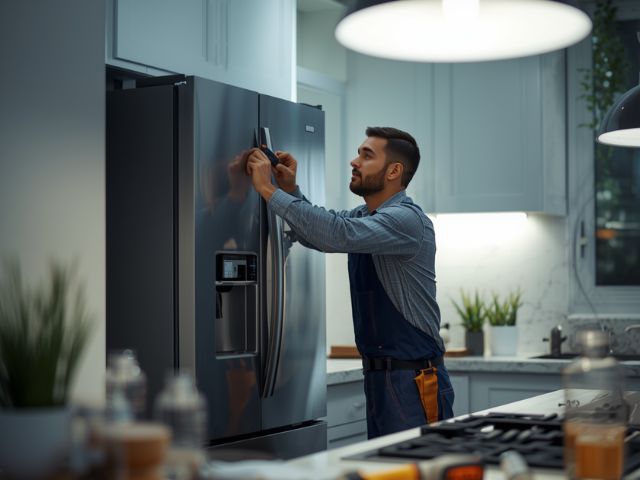
Sub-Zero appliances are known for their exceptional performance, precision cooling, and premium build quality. However, when temperatures climb during the warmer months, even high-end refrigeration systems face added strain. Heat, humidity, and frequent use can all impact efficiency and longevity if preventive care is neglected.
Proper maintenance during warm weather ensures that your Sub-Zero refrigerator, freezer, or wine storage unit continues to operate at peak performance while avoiding unnecessary breakdowns and energy waste. By understanding how seasonal conditions affect your appliance and adopting proactive care routines, you can extend its lifespan and preserve food quality year-round.
How Warm Weather Impacts Sub-Zero Appliance Performance
Sub-Zero units are engineered to maintain consistent internal temperatures regardless of external conditions, but extreme heat and humidity still place additional stress on components. Compressors must work harder to maintain cooling levels, door seals are exposed to expansion and contraction, and internal fans run more frequently to circulate air.
These factors can lead to increased energy consumption, inconsistent cooling, and premature wear if preventive maintenance is not performed. Over time, the added strain may cause issues such as temperature fluctuations, ice buildup, or noisy operation—clear signs that the appliance is struggling to keep up with environmental conditions.
Maintaining awareness of these seasonal stressors is the first step toward protecting your investment and ensuring uninterrupted performance during the hottest months.
Keeping Condenser Coils Clean for Efficient Cooling
One of the most critical maintenance tasks during warm weather is cleaning the condenser coils. These coils are responsible for releasing heat from inside the refrigerator to the surrounding air. When they become coated with dust, grease, or debris, the appliance cannot efficiently dissipate heat, forcing the compressor to run longer and harder.
To keep your Sub-Zero unit operating efficiently:
- Vacuum the condenser coils every three to six months, or more often if you have pets.
- Use a soft brush attachment to avoid damaging delicate components.
- Ensure adequate airflow around the appliance to prevent heat buildup.
Clean coils improve energy efficiency, reduce compressor strain, and help maintain consistent cooling even during high outdoor temperatures.
Inspecting Door Seals to Prevent Cold Air Loss
Door gaskets play a vital role in maintaining internal temperature stability. In warm weather, rubber seals may expand slightly or become less pliable, allowing cold air to escape and warm air to enter. This leads to longer cooling cycles and increased energy usage.
A simple inspection routine can prevent this problem:
- Check for cracks, warping, or looseness around the gasket edges.
- Clean seals with mild soap and water to remove grime that can prevent proper sealing.
- Replace damaged gaskets promptly to avoid long-term strain on the cooling system.
A properly sealed refrigerator maintains optimal humidity levels and keeps food fresher for longer, especially during periods of high ambient heat.
Monitoring Temperature Settings and Internal Airflow
Sub-Zero appliances are factory-calibrated to deliver precise cooling, but seasonal adjustments may be necessary when temperatures rise. If your refrigerator is located near a window, oven, or in a poorly ventilated kitchen, it may experience higher-than-average ambient temperatures.
To maintain optimal cooling performance:
- Verify that temperature settings remain within recommended ranges.
- Avoid overloading shelves, as blocked airflow prevents even cooling.
- Allow hot food to cool before placing it inside the refrigerator to reduce internal heat spikes.
Maintaining proper airflow ensures that cold air circulates evenly, preventing warm spots that can compromise food safety and appliance efficiency.
Managing Humidity to Protect Internal Components
Warm weather often brings elevated humidity levels, which can affect both the internal environment of your refrigerator and its external components. Excess moisture can lead to condensation, frost buildup, and even mold growth if not managed properly.
Sub-Zero units are designed with advanced humidity control systems, but homeowners can support these features by:
- Ensuring the door is closed securely after each use.
- Avoiding prolonged door openings that allow humid air to enter.
- Wiping away visible condensation to prevent moisture accumulation.
Keeping humidity under control not only protects your appliance but also helps preserve the texture and freshness of stored food.
Scheduling Professional Preventive Maintenance
While routine cleaning and inspections can be performed at home, professional servicing provides a deeper level of care that ensures every component is functioning correctly. Technicians can check refrigerant levels, inspect electrical systems, test thermostats, and identify early signs of wear that may not be visible to homeowners.
For reliable expert assistance, consider scheduling maintenance with Sub-Zero Appliance Repair, where trained specialists are equipped to handle brand-specific diagnostics and seasonal service requirements. Professional maintenance is especially valuable before or during peak summer months when appliance usage is highest.
Recognizing Early Warning Signs of Heat-Related Stress
Sub-Zero appliances rarely fail without warning. Instead, they often exhibit subtle signs that performance is declining due to environmental stress or lack of maintenance.
Common indicators include:
- Unusual humming or prolonged compressor cycles
- Interior lights or control panels feeling warm
- Frost accumulation in the freezer compartment
- Food spoiling faster than usual
Addressing these symptoms promptly can prevent minor issues from escalating into costly repairs or complete system failure.
If you notice cooling issues, you may also benefit from reading Sub Zero Fridge Not Cooling: Solutions and Tips, which explores practical troubleshooting steps and common causes behind temperature problems.
Improving Kitchen Ventilation to Support Appliance Efficiency
The environment surrounding your refrigerator plays a crucial role in how efficiently it operates. Poor ventilation traps heat around the unit, forcing it to work harder to maintain cold temperatures. During warm weather, this can significantly impact performance and energy consumption.
To enhance ventilation:
- Keep at least a few inches of clearance around the appliance for airflow.
- Avoid placing the refrigerator directly next to heat-generating appliances.
- Use kitchen ventilation systems, such as exhaust fans, to reduce ambient heat.
A well-ventilated kitchen reduces thermal stress on the appliance and contributes to stable, efficient cooling.
Protecting Electrical Components from Seasonal Power Fluctuations
Warm weather often leads to increased energy demand due to air conditioning usage, which can result in power fluctuations or voltage spikes. Sensitive electronic components within Sub-Zero appliances may be affected by these changes, potentially causing control panel malfunctions or compressor issues.
Installing a surge protector or voltage regulator can safeguard your appliance against unexpected electrical disturbances. This added layer of protection helps maintain stable operation and reduces the risk of sudden electronic failures.
Extending Appliance Lifespan Through Consistent Seasonal Care
Preventive maintenance is not just about avoiding immediate problems—it is also a long-term strategy for preserving the performance and value of your Sub-Zero appliance. Regular cleaning, inspections, and professional servicing can add years to the lifespan of your refrigerator while maintaining its premium cooling capabilities.
Homeowners who adopt consistent seasonal maintenance routines often experience:
- Lower energy bills due to improved efficiency
- Fewer emergency repairs and unexpected breakdowns
- Better food preservation and reduced waste
- Higher resale value of their appliances
These benefits highlight the importance of treating preventive maintenance as an essential part of appliance ownership rather than an optional task.
Smart Habits That Reduce Heat Stress on Your Refrigerator
Daily usage habits can significantly influence how well your appliance copes with warm weather. Small changes in routine can ease the load on the cooling system and improve overall performance.
Consider adopting these simple practices:
- Minimize the number of times the refrigerator door is opened.
- Organize contents so items are easy to locate, reducing door-open time.
- Keep the appliance stocked but not overcrowded to maintain thermal stability.
These habits work in tandem with mechanical maintenance to ensure your refrigerator operates efficiently throughout the season.
A Reliable Cooling System Starts with Preventive Attention
Sub-Zero appliances are built to deliver exceptional reliability, but like all sophisticated machines, they require proper care—especially when environmental conditions become more demanding. Warm weather introduces challenges such as higher ambient temperatures, humidity, and increased usage, all of which can impact performance if ignored.
By cleaning condenser coils, inspecting seals, monitoring temperatures, and scheduling professional servicing, homeowners can protect their investment and ensure uninterrupted cooling. Preventive maintenance not only safeguards appliance performance but also preserves food quality, reduces energy consumption, and minimizes the likelihood of costly repairs.
Taking proactive steps today ensures that your Sub-Zero appliance remains dependable, efficient, and ready to handle the demands of warm weather for years to come.