
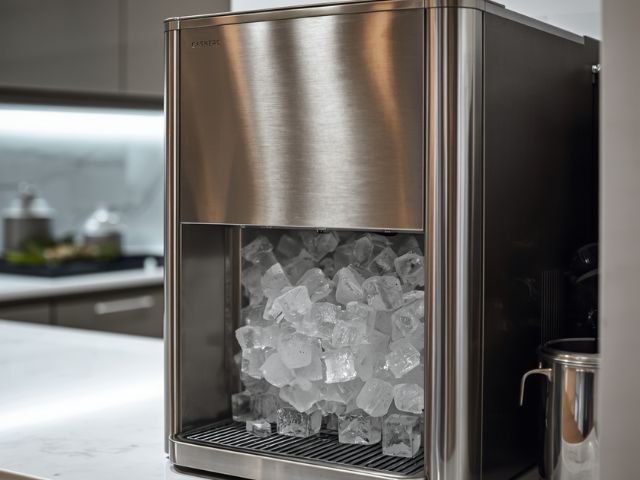
When temperatures rise, your Ice Maker Repair becomes one of the hardest-working appliances in your home. From cooling drinks to preserving food and hosting gatherings, it plays a vital role in your daily comfort. But with increased demand during the summer months, even the most reliable ice makers can experience wear and tear.
A proactive approach to maintenance can save you from inconvenient breakdowns, costly repairs, and the frustration of running out of ice when you need it most. With a few essential checkups and smart habits, homeowners can keep their ice makers running efficiently all season long.
Why Summer Is Tough on Ice Makers
Summer brings higher temperatures, increased humidity, and heavier appliance usage—all of which can strain your ice maker.
Hot weather forces your refrigerator and freezer to work harder to maintain internal temperatures. This added pressure can slow ice production, cause inconsistent freezing, or even lead to mechanical issues. Meanwhile, frequent opening of the freezer door allows warm air to enter, disrupting the ice-making cycle.
Additionally, increased demand—especially during gatherings or family events—means your ice maker is producing more ice than usual. Without proper maintenance, this constant workload can accelerate wear on key components.
Early Warning Signs Your Ice Maker Needs Attention
Recognizing small issues before they turn into major problems is key to avoiding costly repairs. Here are some common signs that your ice maker may need a summer checkup:
- Reduced ice production or slow cycles
- Smaller or misshapen ice cubes
- Unusual noises during operation
- Ice with a strange taste or odor
- Water leakage around the unit
- Ice clumping together in the bin
If you notice any of these issues, it’s best to act quickly. Addressing minor problems early can prevent complete system failure.
Clean the Ice Maker for Better Performance
One of the simplest yet most effective maintenance steps is regular cleaning. Over time, mineral deposits, mold, and bacteria can build up inside your ice maker, affecting both performance and ice quality.
Start by turning off the ice maker and removing any remaining ice. Clean the interior surfaces with a mild cleaning solution or a manufacturer-approved cleaner. Pay special attention to the ice bin, water lines, and any removable components.
A clean ice maker not only produces better-tasting ice but also operates more efficiently, reducing strain on the system.
Inspect and Replace the Water Filter
Your ice maker relies on a steady flow of clean water to produce high-quality ice. A clogged or dirty water filter can restrict flow, leading to smaller ice cubes or reduced production.
Most manufacturers recommend replacing the water filter every 6 months, but during heavy summer usage, you may need to change it more frequently.
Fresh filters improve water quality, enhance ice clarity, and help prevent buildup inside the system.
Check the Water Supply Line
The water supply line is a critical component that delivers water to your ice maker. Over time, it can develop leaks, kinks, or blockages.
Inspect the line for any visible damage or wear. Make sure it’s securely connected and free of obstructions. Even a small leak can lead to water damage and reduced efficiency.
Ensuring a steady, uninterrupted water supply is essential for consistent ice production.
Monitor Freezer Temperature Settings
Your ice maker depends on the freezer maintaining the correct temperature. If it’s too warm, ice production will slow or stop altogether. If it’s too cold, it can cause freezing issues within the system.
The ideal freezer temperature for ice makers is typically around 0°F (-18°C). Use a thermometer to verify the temperature and adjust settings as needed.
Keeping your freezer at the right temperature ensures optimal ice production and prevents unnecessary strain on the appliance.
Prevent Ice Buildup and Blockages
Ice buildup can interfere with your ice maker’s normal operation. This often occurs when humidity levels are high or when the freezer door is opened frequently.
Check for frost or ice accumulation around the ice maker components. If buildup is present, defrost the freezer and remove any obstructions.
Keeping the unit free of excess ice allows it to function smoothly and efficiently.
Test the Ice Maker’s Mechanical Components
Your ice maker contains several moving parts, including the motor, ejector arm, and sensors. Over time, these components can wear out or become misaligned.
Listen for unusual noises or irregular movements during operation. If the ice maker isn’t cycling properly or is making grinding sounds, it may indicate a mechanical issue.
Routine testing helps identify problems early, allowing for timely repairs before complete failure occurs.
Ensure Proper Airflow Around the Appliance
Good airflow is essential for maintaining consistent temperatures inside your refrigerator and freezer.
Make sure there’s enough space around your appliance for ventilation. Avoid placing items too close to vents inside the freezer, as this can block airflow and affect cooling performance.
Proper airflow reduces strain on the system and helps your ice maker operate more efficiently during hot weather.
Schedule Professional Maintenance When Needed
While many maintenance tasks can be handled at home, some issues require professional expertise. If your ice maker continues to malfunction despite basic troubleshooting, it’s time to call in a specialist.
Professional technicians can diagnose complex problems, replace faulty components, and ensure your appliance is operating at peak performance.
For reliable service and expert care, consider reaching out to Sub-Zero Appliance Repair to keep your ice maker in top condition throughout the summer.
Smart Habits to Extend Your Ice Maker’s Lifespan
In addition to regular maintenance, adopting a few simple habits can significantly extend the life of your ice maker:
- Avoid overloading the freezer
- Keep the freezer door closed as much as possible
- Use ice regularly to prevent clumping
- Clean spills and debris promptly
- Schedule routine inspections
These small steps can make a big difference in maintaining consistent performance and avoiding unexpected breakdowns.
Troubleshooting Common Ice Maker Issues
Sometimes, ice maker problems can be resolved with quick fixes. If your unit isn’t producing ice but the water dispenser still works, you may be dealing with a specific internal issue.
For a deeper dive into this common problem and how to fix it, check out this helpful guide:
Easy Fixes: Ice Maker Not Making Ice But Water Works
This resource provides practical solutions that homeowners can try before seeking professional repair.
The Cost of Ignoring Ice Maker Maintenance
Neglecting your ice maker can lead to more than just inconvenience. Small issues can escalate into major repairs or even complete appliance failure.
Potential consequences include:
- Higher energy bills due to inefficient operation
- Water damage from leaks
- Contaminated ice affecting health and taste
- Expensive component replacements
- Shortened appliance lifespan
Regular checkups are a cost-effective way to avoid these problems and ensure your ice maker remains reliable all summer long.
Creating a Summer Maintenance Routine
Consistency is key when it comes to appliance care. Establishing a simple maintenance routine can help you stay on top of your ice maker’s needs.
A basic summer checklist might include:
- Monthly cleaning of the ice bin and interior
- Checking the water filter and replacing if needed
- Inspecting the water line for leaks
- Monitoring freezer temperature
- Listening for unusual noises
By dedicating a little time each month, you can prevent most common issues and keep your ice maker running smoothly.
Enjoy a Stress-Free Summer with Reliable Ice Production
There’s nothing worse than running out of ice on a hot day, especially when you’re hosting guests or trying to stay cool. With proper maintenance and timely repairs, your ice maker can deliver consistent performance when you need it most.
Taking care of your appliance isn’t just about avoiding problems—it’s about ensuring comfort, convenience, and peace of mind throughout the summer season.
Frequently Asked Questions
- How often should I clean my ice maker during summer?
It’s best to clean your ice maker at least once a month during heavy usage to maintain hygiene and performance. - Why is my ice maker producing small or cloudy ice cubes?
This is often caused by a dirty water filter or mineral buildup. Replacing the filter and cleaning the unit usually resolves the issue. - Can I fix an ice maker myself?
Many minor issues can be handled with basic troubleshooting, but complex mechanical or electrical problems should be addressed by a professional. - What temperature should my freezer be set to?
For optimal ice production, keep your freezer at around 0°F (-18°C). - When should I call a repair service?
If your ice maker stops working completely, leaks water, or makes unusual noises, it’s time to seek professional assistance.
Keep Your Ice Maker Summer-Ready
A well-maintained ice maker ensures you’re always prepared for the heat. By staying proactive with cleaning, inspections, and timely repairs, you can avoid disruptions and enjoy a steady supply of ice all season long.
Investing a little effort now can save you from bigger headaches later—so keep your ice maker in peak condition and make the most of your summer at home.