

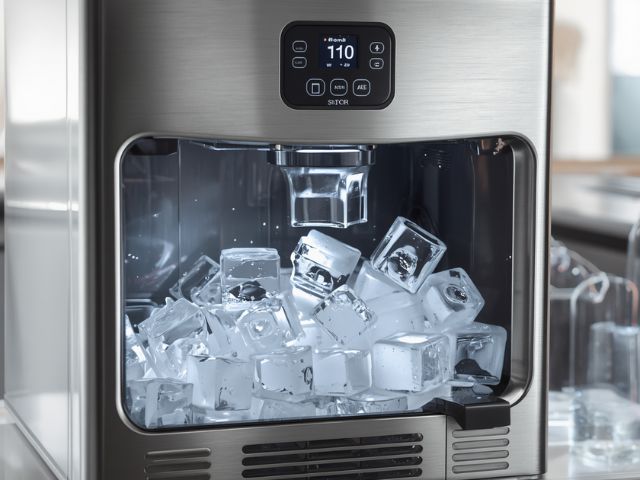
When Los Angeles heatwaves hit, appliances are pushed to their limits—especially ice makers. As temperatures soar, the demand for ice increases while the appliance itself struggles to maintain optimal cooling conditions. Without proper care, even a high-end ice maker can experience reduced output, mechanical strain, or complete failure during peak summer months.
Keeping your ice maker running efficiently in extreme heat requires more than occasional cleaning. It involves understanding how heat affects the machine, performing preventative maintenance, and recognizing early warning signs before they escalate into costly breakdowns.
Why Heatwaves Put Extra Stress on Ice Makers
Ice makers are designed to operate within specific temperature ranges. When ambient temperatures rise dramatically, the compressor and cooling system must work harder to maintain freezing conditions. This extra workload can lead to:
- Slower ice production
- Smaller or misshapen ice cubes
- Increased energy consumption
- Overheating components
In a city like Los Angeles, where heatwaves can push indoor temperatures well beyond comfortable levels, even built-in and premium appliances face performance challenges. The more frequently the ice maker cycles in high heat, the faster internal parts can wear down.
Positioning Your Ice Maker for Better Airflow
One of the most overlooked factors in ice maker performance is ventilation. Proper airflow helps dissipate heat from the condenser coils, allowing the appliance to function efficiently.
To improve airflow:
- Avoid placing items against the sides or back of the unit
- Ensure built-in models have adequate clearance as recommended by the manufacturer
- Keep surrounding cabinets and vents unobstructed
Even a few inches of additional space can significantly improve heat dissipation and reduce strain on the compressor during peak temperatures.
Cleaning Condenser Coils to Prevent Overheating
Dust and debris accumulate on condenser coils over time, especially in busy kitchens. During a heatwave, clogged coils trap heat and prevent proper cooling, forcing the appliance to overwork itself.
Cleaning the coils every few months helps:
- Improve cooling efficiency
- Reduce energy usage
- Extend the lifespan of internal components
Use a soft brush or vacuum attachment to remove buildup. Always unplug the appliance before performing any maintenance to ensure safety.
Monitoring Ice Production and Quality
A sudden drop in ice output is often one of the first signs that your ice maker is struggling with heat-related stress. Pay attention to changes such as:
- Hollow or cloudy cubes
- Ice taking longer to freeze
- Unusual noises during operation
These subtle indicators often appear before a major malfunction. Addressing them early can prevent a complete system shutdown during the hottest days of summer.
If you notice these symptoms alongside other appliance issues, it may also be helpful to review Signs Your Sub-Zero Appliance Is Failing: What to Watch For to better understand when professional attention is necessary.
Keeping the Freezer Temperature Stable
Ice makers rely on consistent freezer temperatures to function properly. During heatwaves, frequent door openings and high ambient temperatures can cause internal temperatures to fluctuate.
To maintain stability:
- Minimize how often the freezer door is opened
- Ensure the door seal is tight and free from cracks
- Avoid overloading the freezer, which restricts airflow
A stable environment inside the freezer helps the ice maker maintain its production cycle without unnecessary strain.
Replacing Water Filters for Optimal Performance
Clogged or aging water filters can slow down water flow into the ice maker, which becomes more problematic during heatwaves when the appliance is already working harder. Reduced water pressure can lead to incomplete ice formation or longer freezing times.
Regularly replacing water filters ensures:
- Proper water flow
- Cleaner, better-tasting ice
- Reduced stress on the water inlet valve
Most manufacturers recommend changing filters every six months, but in areas with heavy water usage, more frequent replacement may be beneficial.
Avoiding Overuse During Peak Heat Hours
It may seem counterintuitive, but continuous use of an ice maker during the hottest part of the day can accelerate wear and tear. While it’s often necessary to produce more ice in summer, giving the appliance occasional breaks helps prevent overheating.
Consider:
- Producing and storing extra ice during cooler morning hours
- Using insulated containers to preserve ice longer
- Reducing unnecessary door openings during peak afternoon heat
This approach balances demand with the appliance’s need for cooling recovery time.
Checking and Maintaining Door Seals
Door gaskets play a crucial role in maintaining internal temperatures. A worn or damaged seal allows warm air to enter, forcing the ice maker and freezer to work harder to maintain freezing conditions.
Inspect door seals regularly for:
- Cracks or brittleness
- Gaps between the seal and the frame
- Moisture or frost buildup near the door edges
Replacing faulty seals is a simple yet effective way to improve energy efficiency and protect your ice maker during extreme weather.
The Role of Professional Maintenance in Extreme Climates
While routine cleaning and monitoring go a long way, professional maintenance ensures that deeper mechanical and electrical components remain in optimal condition. Technicians can inspect:
- Compressor performance
- Refrigerant levels
- Electrical connections and sensors
For homeowners who rely heavily on built-in or luxury appliances, scheduling seasonal maintenance before peak summer temperatures arrive can prevent unexpected failures.
For expert servicing and diagnostics, many homeowners turn to Sub-Zero Appliance Repair when specialized care is needed for high-end ice makers and refrigeration systems.
Recognizing Early Warning Signs of Heat-Related Damage
Heat stress doesn’t always cause immediate failure. Instead, it often leads to gradual deterioration that becomes noticeable only after significant internal damage has occurred.
Watch for these warning signs:
- Ice maker stopping intermittently
- Water leaking or pooling near the unit
- Excessive frost buildup inside the freezer
- A compressor that runs constantly without cycling off
Addressing these issues early can prevent more extensive and expensive repairs later on.
Improving Kitchen Ventilation During Heatwaves
The surrounding environment plays a significant role in appliance performance. Poorly ventilated kitchens trap heat, creating a challenging environment for refrigeration systems.
Improving ventilation can involve:
- Using exhaust fans while cooking
- Opening windows during cooler hours
- Ensuring air conditioning vents are not blocked
Lowering the ambient temperature around the ice maker helps reduce the workload on its cooling system and maintains consistent ice production.
Storing Ice Properly to Reduce Machine Strain
Many households rely heavily on ice during summer gatherings and hot days. Instead of forcing the ice maker to keep up with continuous demand, storing ice strategically can help reduce stress on the appliance.
Best practices include:
- Transferring excess ice to insulated bins or coolers
- Avoiding repeated opening of the freezer just to grab small amounts of ice
- Keeping storage containers clean to maintain ice quality
These simple habits allow the ice maker to operate more efficiently without being pushed to its limits.
Power Surges and Electrical Protection During Heatwaves
Heatwaves often lead to increased electricity usage across the city, which can cause power fluctuations or outages. These electrical disturbances can damage sensitive components within ice makers, particularly control boards and compressors.
Installing surge protectors or ensuring your home’s electrical system is properly grounded can safeguard your appliance against unexpected voltage spikes.
Creating a Summer Maintenance Routine That Works
Consistency is key to keeping your ice maker running smoothly during long periods of extreme heat. A simple maintenance checklist can help ensure nothing is overlooked:
- Clean condenser coils every three to four months
- Replace water filters on schedule
- Inspect door seals regularly
- Monitor ice production and cube quality weekly
By making these checks part of your routine, you can catch potential issues before they disrupt your appliance’s performance during the hottest days of the year.
Keeping Your Ice Maker Reliable When You Need It Most
An ice maker is one of the most relied-upon appliances during a Los Angeles heatwave. Whether it’s for staying hydrated, entertaining guests, or simply keeping drinks cool, consistent ice production becomes essential when temperatures climb.
By focusing on airflow, cleanliness, proper usage habits, and early problem detection, homeowners can protect their ice makers from the intense strain that summer heat places on refrigeration systems. Preventative care not only ensures a steady supply of ice but also extends the lifespan of the appliance and reduces the likelihood of emergency repairs.
Taking proactive steps today means you won’t be left scrambling for bags of store-bought ice tomorrow. With the right maintenance strategy, your ice maker can continue performing reliably—even during the most extreme LA heatwaves.