

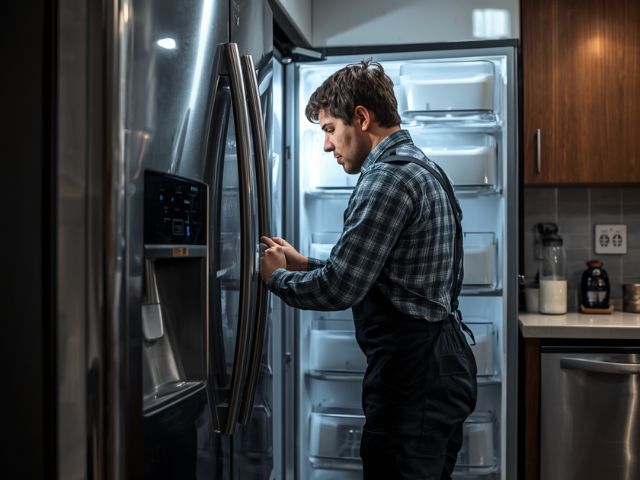
Los Angeles summers are known for their relentless heat waves, blazing sunshine, and soaring indoor temperatures. While the warm weather is perfect for beach days and outdoor barbecues, it can be brutal on household appliances—especially your Fridge & Freezer. These appliances work harder during the hot months, often running longer cycles to maintain safe temperatures and preserve your food.
Without proper care, excessive heat can lead to reduced efficiency, higher electricity bills, and even premature breakdowns. By adopting a few proactive habits and understanding how heat affects your cooling appliances, you can extend their lifespan, maintain food safety, and avoid unexpected repair costs.
Why High Temperatures Put Extra Stress on Cooling Appliances
When the outside temperature rises, your refrigerator and freezer must compensate by working overtime to keep the interior cool. This means longer compressor cycles, increased energy consumption, and more strain on internal components.
Heat doesn’t just come from outdoors. Kitchens naturally generate warmth from cooking, sunlight through windows, and even nearby appliances like ovens and dishwashers. When a refrigerator is forced to operate in these conditions, its ability to regulate temperature can suffer.
Prolonged exposure to high temperatures may cause:
- Food to spoil faster due to fluctuating internal temperatures
- Ice buildup or condensation inside the freezer
- Increased wear on compressors, fans, and condenser coils
Understanding these risks is the first step toward preventing them.
Adjusting Temperature Settings for Summer Efficiency
During hot weather, your refrigerator may need slightly different temperature settings than it does in cooler months. A small adjustment can help your appliance keep food at safe levels without overworking itself.
Ideal temperature ranges:
- Refrigerator: 37°F to 40°F (3°C to 4°C)
- Freezer: 0°F (-18°C)
If your refrigerator struggles to maintain these levels during peak heat, consider lowering the temperature setting slightly. However, avoid setting it too low, as this can lead to unnecessary energy use and potential freezing of fresh food.
Monitoring internal temperature with a refrigerator thermometer can provide accurate readings and help you detect issues early.
Keeping Condenser Coils Clean and Dust-Free
One of the most overlooked yet critical maintenance tasks is cleaning the condenser coils. These coils release heat from the refrigerator, allowing the cooling process to function efficiently. When they are covered in dust or pet hair, heat cannot dissipate properly, forcing the compressor to work harder.
In Los Angeles homes—especially those near busy streets or construction—dust buildup happens quickly. Cleaning the coils every three to six months during summer is highly recommended.
Steps to clean condenser coils:
- Unplug the refrigerator.
- Locate the coils (typically behind or beneath the appliance).
- Use a vacuum or soft brush to remove debris.
- Plug the appliance back in and ensure proper airflow around it.
This simple task can improve efficiency, reduce electricity consumption, and extend your refrigerator’s lifespan.
Ensuring Proper Airflow Around Your Refrigerator
Air circulation plays a crucial role in keeping your appliance cool. If your refrigerator is wedged tightly between cabinets or positioned too close to the wall, heat becomes trapped, making it difficult for the condenser coils to release warmth.
Maintain at least:
- 1–2 inches of clearance on the sides
- 2–3 inches behind the unit
Avoid placing your refrigerator next to heat-generating appliances such as ovens or dishwashers. If relocation isn’t possible, consider installing a heat barrier or improving kitchen ventilation to reduce surrounding temperatures.
Preventing Overloading and Maintaining Internal Air Circulation
A packed refrigerator might seem efficient, but overcrowding can block air vents and restrict circulation. During summer, when appliances are already under strain, this can lead to uneven cooling and warm spots that cause food to spoil faster.
To maintain proper airflow:
- Avoid stacking items tightly against the back wall
- Keep air vents unobstructed
- Store food in organized containers that allow air to circulate
Freezers also benefit from balanced loading. Unlike refrigerators, freezers operate more efficiently when reasonably full, but excessive packing can still hinder airflow.
Checking and Maintaining Door Seals
Rubber door gaskets are essential for keeping cool air inside. Over time, they can become loose, cracked, or dirty, allowing warm air to seep in. During hot weather, even a small leak can significantly impact performance.
Inspect door seals regularly by:
- Closing the door on a piece of paper and pulling gently—if it slides out easily, the seal may be worn
- Cleaning the gasket with warm soapy water to remove grime
- Replacing damaged seals promptly
Tight seals help maintain stable temperatures, reduce energy usage, and prevent condensation inside the unit.
Managing Ice Maker and Freezer Performance in Hot Weather
Summer heat often exposes weaknesses in freezer components, including ice makers. If you notice reduced ice production or irregular cube shapes, the freezer may be struggling to maintain consistent temperatures.
Several issues can contribute to this, such as blocked vents, incorrect temperature settings, or a clogged water filter. If your ice maker suddenly stops producing ice while water still dispenses normally, you may find helpful troubleshooting steps in this article:
Easy Fixes: Ice Maker Not Making Ice But Water Works
Addressing ice maker issues promptly helps ensure you have a reliable supply of ice during the hottest months.
Reducing Heat Exposure Inside Your Kitchen
While outdoor temperatures are beyond your control, you can manage indoor heat to protect your refrigerator and freezer.
Practical strategies include:
- Using window blinds or reflective film to reduce direct sunlight
- Running exhaust fans while cooking
- Avoiding frequent oven use during peak afternoon heat
Positioning your refrigerator away from direct sunlight can significantly improve performance. Even a few degrees of temperature reduction around the appliance can lessen strain on internal components.
Recognizing Warning Signs of Heat-Related Refrigerator Problems
Refrigerators often show subtle signs before major problems occur. Catching these early can prevent expensive repairs and food spoilage.
Watch for:
- Unusual or constant running noises
- Frost buildup inside the freezer
- Condensation on exterior surfaces
- Food spoiling faster than usual
- Sudden spikes in electricity bills
If these symptoms persist despite maintenance, professional servicing may be necessary to diagnose deeper issues such as failing compressors or refrigerant leaks.
Scheduling Preventive Maintenance Before Peak Summer
Routine professional maintenance ensures that hidden problems are identified and resolved before they escalate. Technicians can inspect critical components, check refrigerant levels, test thermostat accuracy, and clean hard-to-reach areas.
Homeowners who schedule maintenance before or early in summer often experience fewer breakdowns and more stable appliance performance throughout the season.
For reliable professional assistance, many Los Angeles residents turn to Sub-Zero Appliance Repair for expert diagnostics and servicing tailored to high-end refrigeration systems.
Smart Habits That Help Your Refrigerator Work Less
Small daily habits can have a surprisingly large impact on your appliance’s efficiency during hot weather.
Consider adopting these practices:
- Avoid leaving the door open for extended periods
- Let hot food cool before placing it inside
- Organize items so frequently used foods are easy to reach
- Check expiration dates regularly to prevent clutter
These habits reduce the amount of warm air entering the appliance and allow it to maintain a stable internal environment.
Protecting Frozen Foods During Power Outages and Heat Waves
Los Angeles occasionally experiences rolling blackouts or power disruptions during extreme heat. Knowing how to protect your food during outages can prevent costly waste.
If power goes out:
- Keep refrigerator and freezer doors closed as much as possible
- A full freezer can maintain temperature for up to 48 hours if unopened
- Use insulated coolers and ice packs for essential items if outages are prolonged
Once power is restored, check food temperatures before consumption to ensure safety.
Energy Efficiency and Lower Utility Bills in Hot Weather
Refrigerators are among the most energy-consuming appliances in the home, and their usage increases significantly during summer. Proper maintenance not only prevents breakdowns but also keeps electricity bills under control.
Simple efficiency improvements:
- Cleaning coils and vents regularly
- Replacing worn door seals
- Maintaining proper clearance and ventilation
These steps allow the appliance to operate as designed, preventing unnecessary energy consumption.
Final Thoughts on Keeping Your Refrigerator Reliable All Summer
Los Angeles summers place significant strain on refrigerators and freezers, but with the right maintenance practices, you can keep your appliances performing at their best even during heat waves. From cleaning condenser coils and adjusting temperature settings to monitoring door seals and managing indoor heat, each small step contributes to better performance, lower energy costs, and safer food storage.
Consistent care ensures that your refrigerator doesn’t just survive the hottest months—it operates efficiently and reliably year after year. By staying proactive and attentive to early warning signs, homeowners can avoid sudden breakdowns and enjoy uninterrupted cooling when it matters most.