
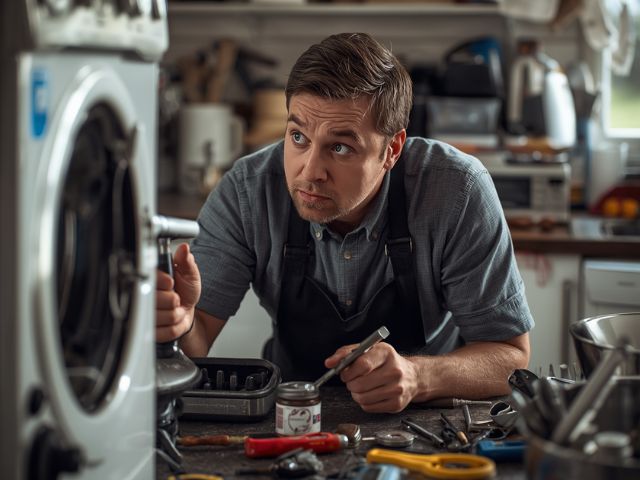
Los Angeles summers bring sunshine, beach days, and soaring temperatures—but they also put a serious strain on household appliances. Refrigerators run nonstop, air conditioners work overtime, and kitchen appliances face heavier use as families stay home more often. Unfortunately, many homeowners unintentionally make repair and maintenance mistakes during this season, leading to higher energy bills, premature breakdowns, and expensive emergency service calls.
Understanding these common missteps can help homeowners extend appliance lifespan, improve efficiency, and avoid the frustration of unexpected failures during the hottest months of the year.
Ignoring Early Warning Signs of Appliance Trouble
One of the most common mistakes homeowners make is dismissing early signs of appliance malfunction. A refrigerator that hums louder than usual or a dryer that takes longer to complete a cycle might not seem urgent at first. However, these subtle changes often signal developing mechanical or electrical issues.
Ignoring these warning signs allows small problems to escalate into major failures. For example, a refrigerator with inconsistent cooling might only need a minor thermostat adjustment or coil cleaning. If left unattended, it could eventually stop cooling altogether, leading to spoiled food and costly repairs.
Pay attention to:
- Unusual noises or vibrations
- Longer run times
- Fluctuating temperatures
- Increased energy consumption
Prompt action at the first sign of trouble can save hundreds of dollars in repair or replacement costs.
Attempting DIY Repairs Without Proper Knowledge
With the abundance of online tutorials and home repair videos, it’s tempting to try fixing appliances independently. While some basic maintenance tasks are safe to perform, complex repairs—especially involving electrical systems, refrigerants, or internal components—require professional expertise.
DIY repairs often lead to:
- Accidental damage to internal parts
- Voided manufacturer warranties
- Increased safety risks such as electrical shock or gas leaks
Instead of solving the issue, inexperienced repairs can make the appliance more difficult and expensive to fix later. When dealing with high-end or built-in units, calling trained technicians from Sub-Zero Appliance Repair ensures the job is handled correctly and safely the first time.
Overworking Refrigerators During Heat Waves
Refrigerators and freezers are among the hardest-working appliances during summer. High outdoor temperatures force compressors to run longer cycles to maintain safe food storage conditions. Many homeowners unknowingly worsen this strain by overloading their refrigerators or setting temperatures too low.
Packing the fridge too tightly restricts airflow, preventing cool air from circulating effectively. As a result, the appliance must work harder, increasing wear on the compressor and raising electricity costs.
To reduce stress on your refrigerator:
- Leave space between food items for proper airflow
- Avoid placing hot food directly inside
- Keep the door closed as much as possible
If your freezer begins to struggle during peak summer heat, you may find helpful troubleshooting steps in this related post:
Sub Zero Freezer Not Cooling | Troubleshooting Tips
Skipping Routine Cleaning and Maintenance
Dust, grease, and debris accumulate faster than most homeowners realize. During summer, when appliances run more frequently, neglected buildup can significantly reduce efficiency and cause overheating.
Refrigerator condenser coils are especially vulnerable. When covered in dust, they cannot release heat effectively, forcing the compressor to run longer and hotter. Similarly, clogged dryer vents can trap heat and moisture, increasing the risk of overheating and even fire hazards.
Routine maintenance should include:
- Vacuuming refrigerator coils every few months
- Cleaning range hood filters
- Clearing lint from dryer vents and traps
These simple tasks can dramatically improve performance and prevent breakdowns during the most demanding season of the year.
Using Appliances During Peak Heat Hours
Many homeowners run ovens, dishwashers, and dryers during the hottest part of the day, unaware that this habit can contribute to appliance strain and higher indoor temperatures. Operating heat-generating appliances in the afternoon forces air conditioning systems to work harder, creating a cycle of increased energy use and appliance wear.
Running these appliances in the evening or early morning helps:
- Reduce indoor heat buildup
- Lower utility bills
- Extend appliance lifespan
This small change in daily habits can make a noticeable difference in both comfort and appliance efficiency during the summer months.
Neglecting Professional Inspections and Tune-Ups
Preventive maintenance is often overlooked because appliances appear to be functioning normally. However, internal components can wear down silently until they fail suddenly.
Professional inspections allow technicians to:
- Identify worn parts before they break
- Check refrigerant levels and airflow
- Ensure electrical connections remain safe and secure
Seasonal tune-ups are especially valuable for built-in refrigeration systems and high-end kitchen appliances that require specialized care. Regular servicing helps maintain manufacturer specifications and ensures consistent performance during periods of heavy use.
Improper Placement and Ventilation of Appliances
In many Los Angeles homes, space constraints lead to appliances being installed too close to walls or cabinetry. Poor ventilation traps heat around compressors and motors, making appliances work harder to cool or operate.
This issue becomes more severe in summer when ambient temperatures are already high. Without adequate airflow, appliances overheat more easily, increasing the likelihood of mechanical failure.
To maintain proper ventilation:
- Ensure refrigerators have several inches of clearance behind and around them
- Avoid placing appliances near direct sunlight or heat sources
- Keep ventilation grills and vents unobstructed
These adjustments may seem minor but can significantly reduce overheating and prolong appliance life.
Ignoring Strange Smells or Burning Odors
Unusual smells coming from appliances should never be ignored. Burning odors, chemical smells, or musty scents often indicate serious problems such as overheating wiring, mold buildup, or refrigerant leaks.
During summer, these issues can escalate quickly due to higher operating temperatures. A burning smell from a dryer, for example, may signal lint buildup near heating elements—posing a serious fire risk if left unresolved.
If you detect unusual odors:
- Turn off the appliance immediately
- Disconnect it from power if safe to do so
- Schedule professional inspection as soon as possible
Addressing these warning signs early helps protect both your appliances and your home.
Overlooking the Impact of Power Surges and Grid Strain
Los Angeles power grids experience increased demand during summer as air conditioning usage rises across the city. This surge in electricity consumption can lead to voltage fluctuations and power surges, which are harmful to sensitive appliance electronics.
Modern appliances rely heavily on digital control boards and sensors that are vulnerable to electrical spikes. A single surge can damage these components, resulting in costly repairs or complete system failure.
Installing surge protectors or whole-home surge protection systems helps shield appliances from electrical damage and ensures stable operation during peak summer demand.
Using the Wrong Cleaning Products on Appliance Surfaces
Another mistake homeowners often make is using harsh or abrasive cleaners on appliance surfaces. Stainless steel finishes, glass cooktops, and rubber seals require specific cleaning solutions to prevent scratches, discoloration, or material degradation.
For example:
- Abrasive pads can scratch stainless steel refrigerators
- Strong chemicals may damage rubber door gaskets
- Incorrect cleaners can leave residue that traps heat or moisture
Using manufacturer-recommended cleaning products preserves both the appearance and functionality of appliances, helping them last longer and operate efficiently.
Waiting Too Long to Replace Aging Appliances
Even with proper care, appliances have a finite lifespan. Continuing to rely on aging units that frequently malfunction often costs more in repairs and energy consumption than replacing them with newer, energy-efficient models.
Older refrigerators, for instance, consume significantly more electricity than modern Energy Star-certified models. During summer, this difference becomes even more pronounced as appliances run longer to maintain temperatures.
Signs it may be time to replace an appliance include:
- Frequent repair calls
- Rising energy bills
- Inconsistent performance
- Outdated safety or efficiency standards
Investing in a new appliance at the right time can reduce long-term costs and improve overall household efficiency.
Overlooking Manufacturer Guidelines and Warranty Terms
Many homeowners store appliance manuals away and forget about them. However, these documents contain critical information on proper usage, maintenance schedules, and warranty coverage.
Ignoring manufacturer guidelines can lead to:
- Improper cleaning or maintenance practices
- Voided warranties due to unauthorized repairs
- Reduced appliance lifespan
Following recommended maintenance intervals and operating instructions ensures appliances perform as designed and remain eligible for warranty support if issues arise.
Underestimating the Role of Professional Expertise
Appliances, especially built-in and high-end models, are complex systems that integrate mechanical, electrical, and digital components. Treating them like simple household devices often leads to repair mistakes that could have been avoided with expert assistance.
Professional technicians have:
- Specialized diagnostic tools
- Access to genuine replacement parts
- Training specific to premium appliance brands
Their expertise not only resolves existing problems but also helps identify hidden issues that may cause failures later. This proactive approach keeps appliances running smoothly through even the most demanding summer conditions.
Frequently Asked Questions
Why do appliances fail more often in summer?
Higher ambient temperatures force appliances—especially refrigerators and air conditioners—to work harder, increasing wear on compressors, motors, and electrical components.
How often should appliances be serviced in warm climates like Los Angeles?
Annual maintenance is generally recommended, but homes with heavy appliance usage or high-end systems may benefit from biannual inspections before and after peak summer months.
Is it safe to perform basic appliance maintenance at home?
Yes, tasks like cleaning filters, wiping seals, and vacuuming coils are safe for most homeowners. However, electrical or refrigerant-related repairs should always be handled by professionals.
What appliances are most vulnerable during summer?
Refrigerators, freezers, air conditioners, and dryers experience the greatest strain due to extended run times and higher environmental temperatures.
Can power surges really damage appliances?
Yes. Modern appliances rely on electronic control boards that are highly sensitive to voltage spikes. Surge protection can prevent costly damage.
Keeping Appliances Reliable All Summer Long
Summer in Los Angeles places extraordinary demands on household appliances, but most breakdowns are preventable. By recognizing early warning signs, maintaining proper ventilation, scheduling professional inspections, and avoiding risky DIY repairs, homeowners can protect their appliances from seasonal stress.
Taking a proactive approach not only saves money on repairs but also ensures your home remains comfortable and fully functional during the hottest days of the year. With the right habits and timely maintenance, appliances can continue to perform efficiently and reliably—even through the peak of a California summer.